
info@norfolkarts.co.uk

Welcome to Norfolk Arts
By Chris Goldsmith and Andrea Leggate
Creating, Promoting and Selling pieces of Art, Sculpture and giving new life to the forgotten, abandoned and discarded.
Reclaim – Recycle – Re Use
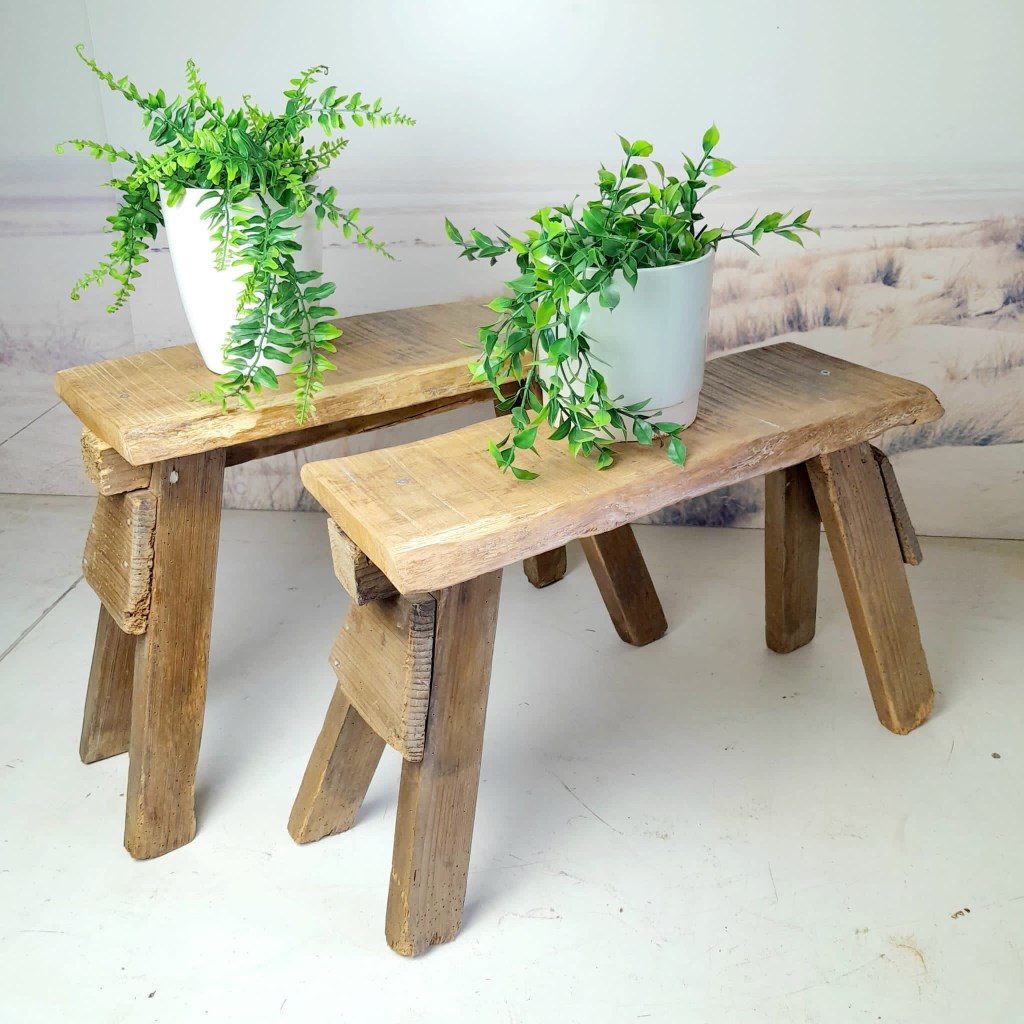
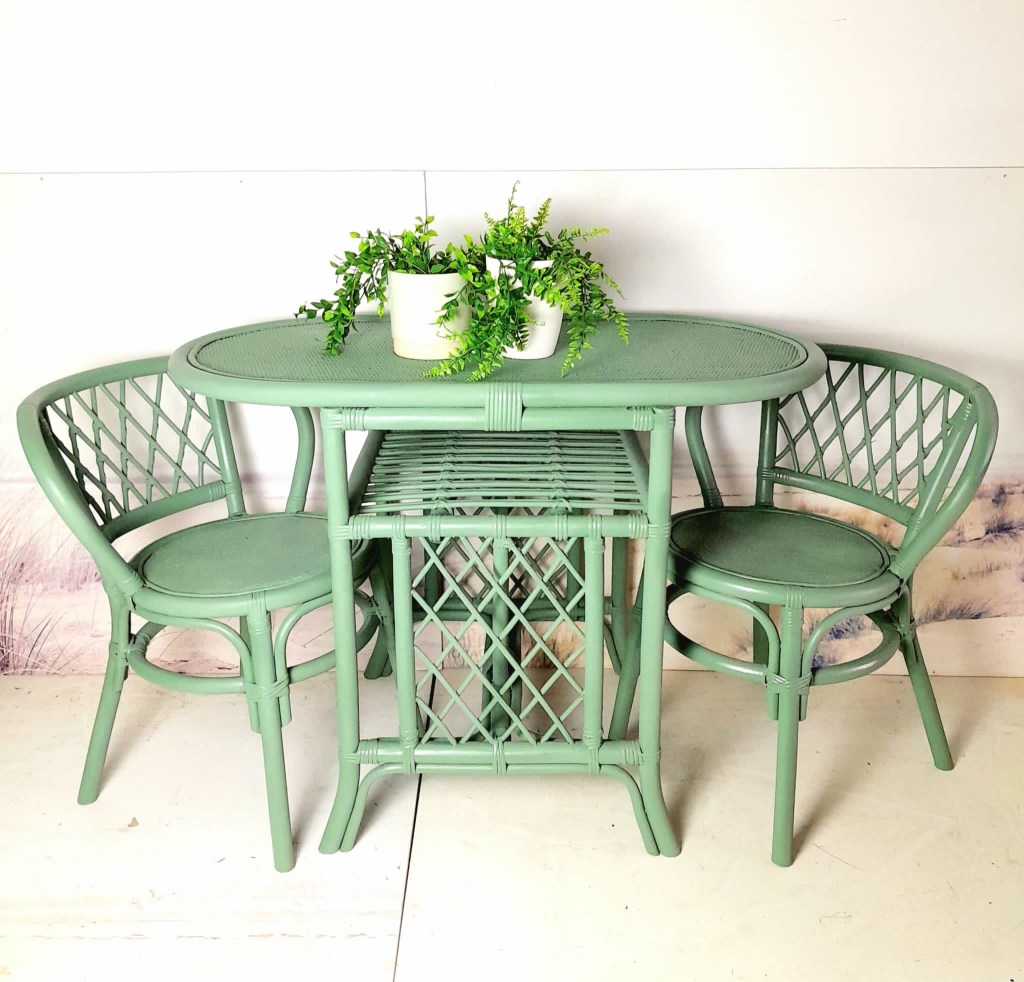
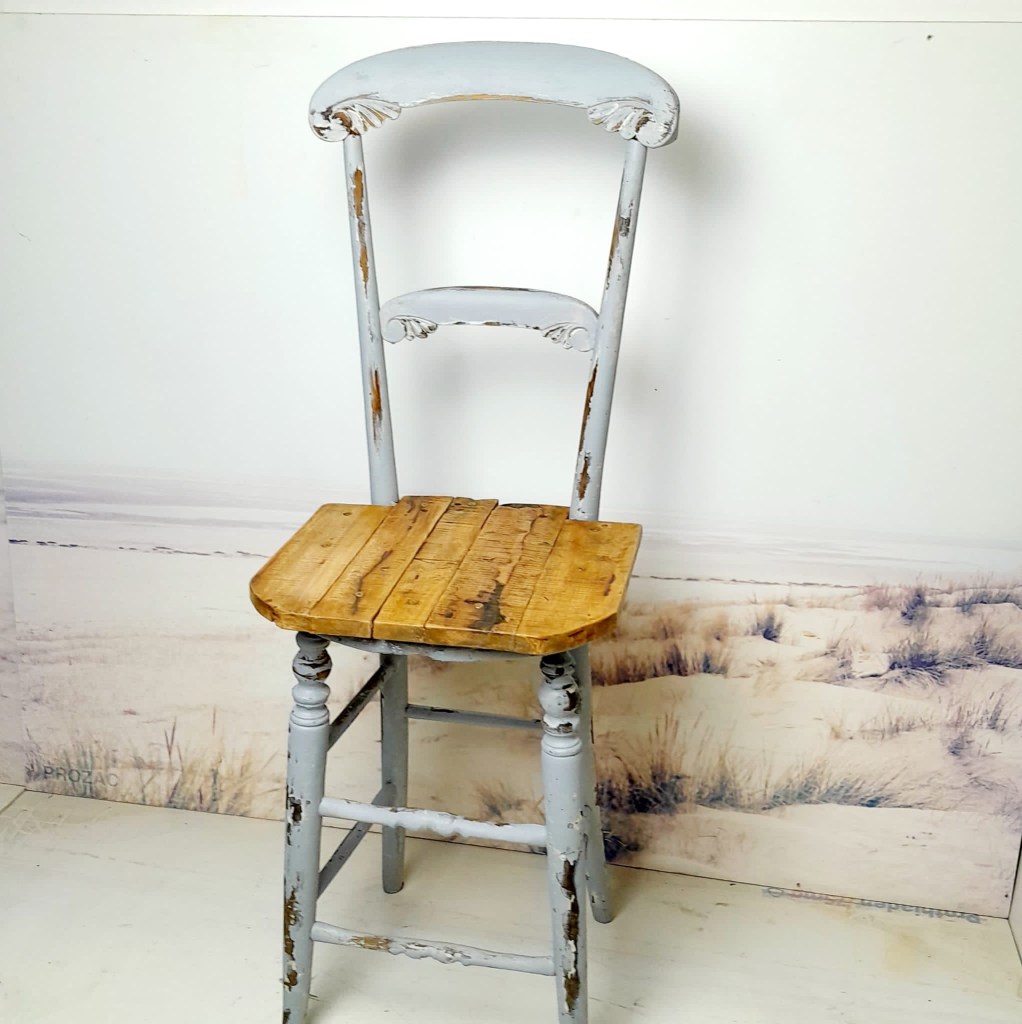
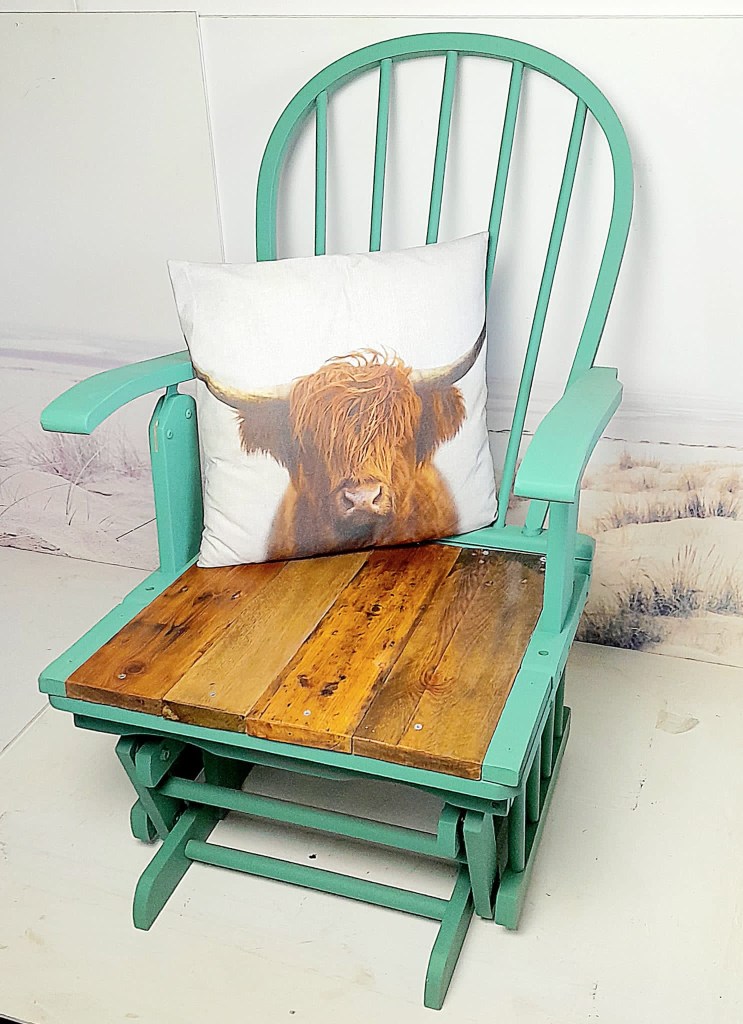
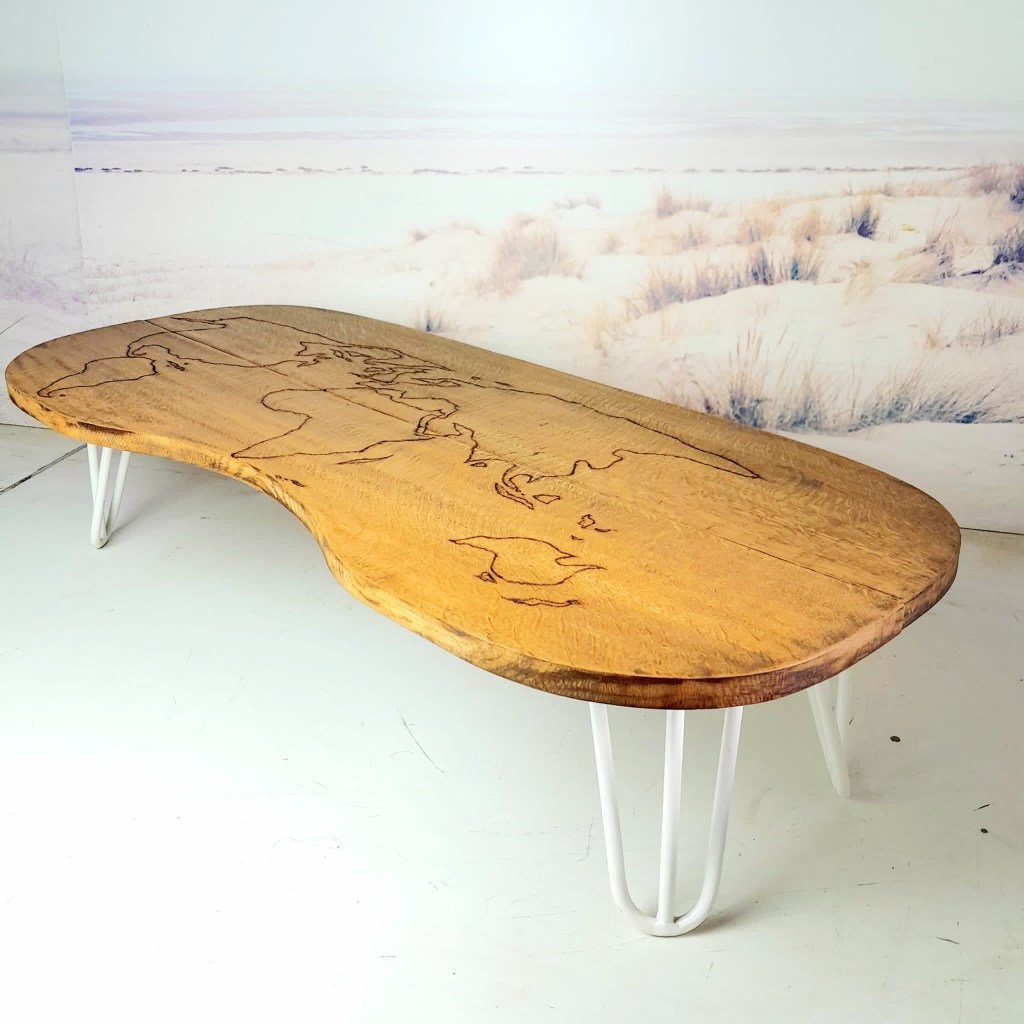
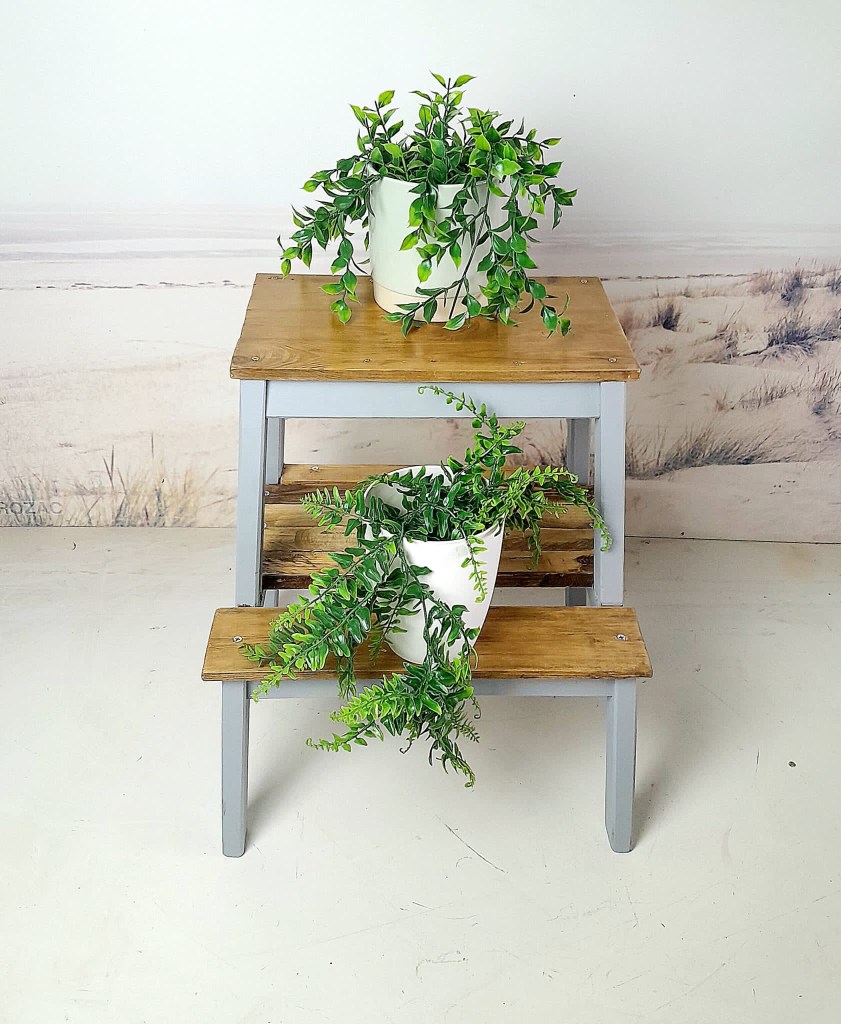
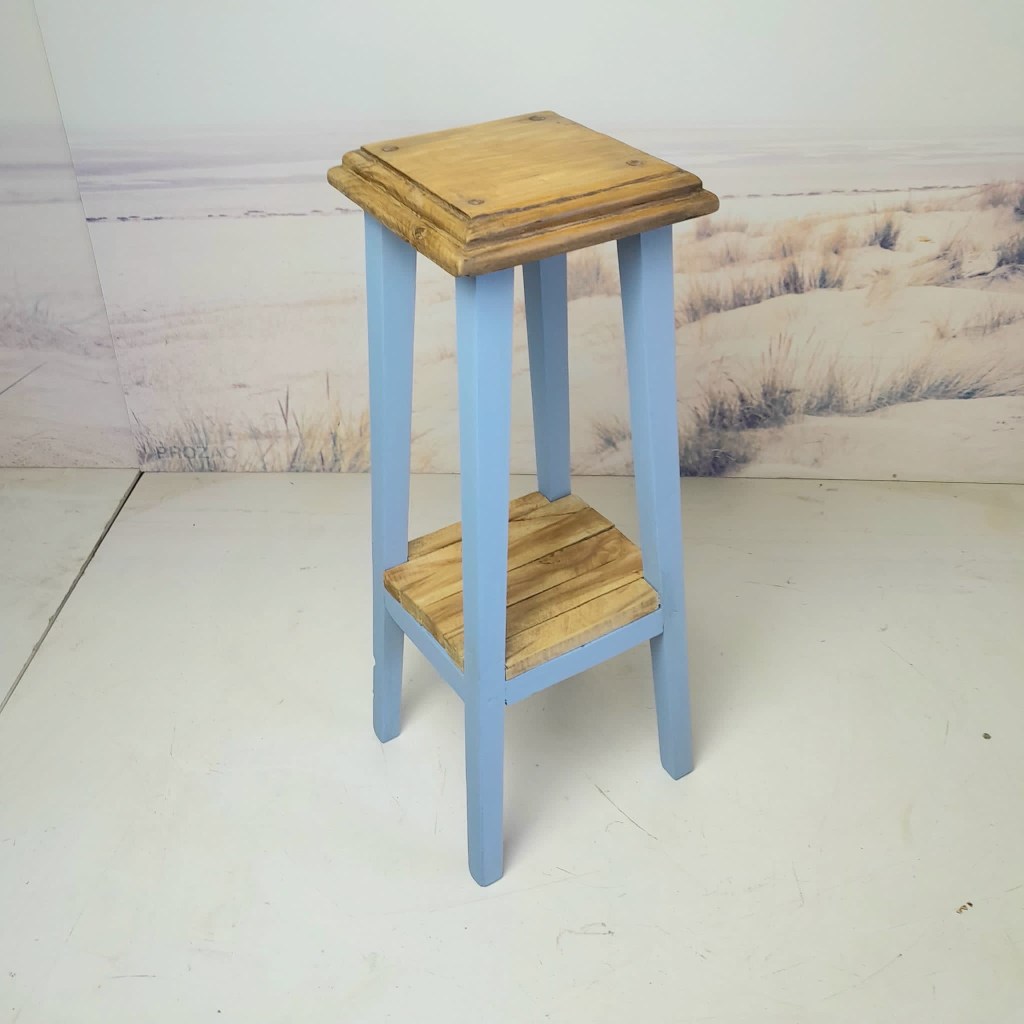
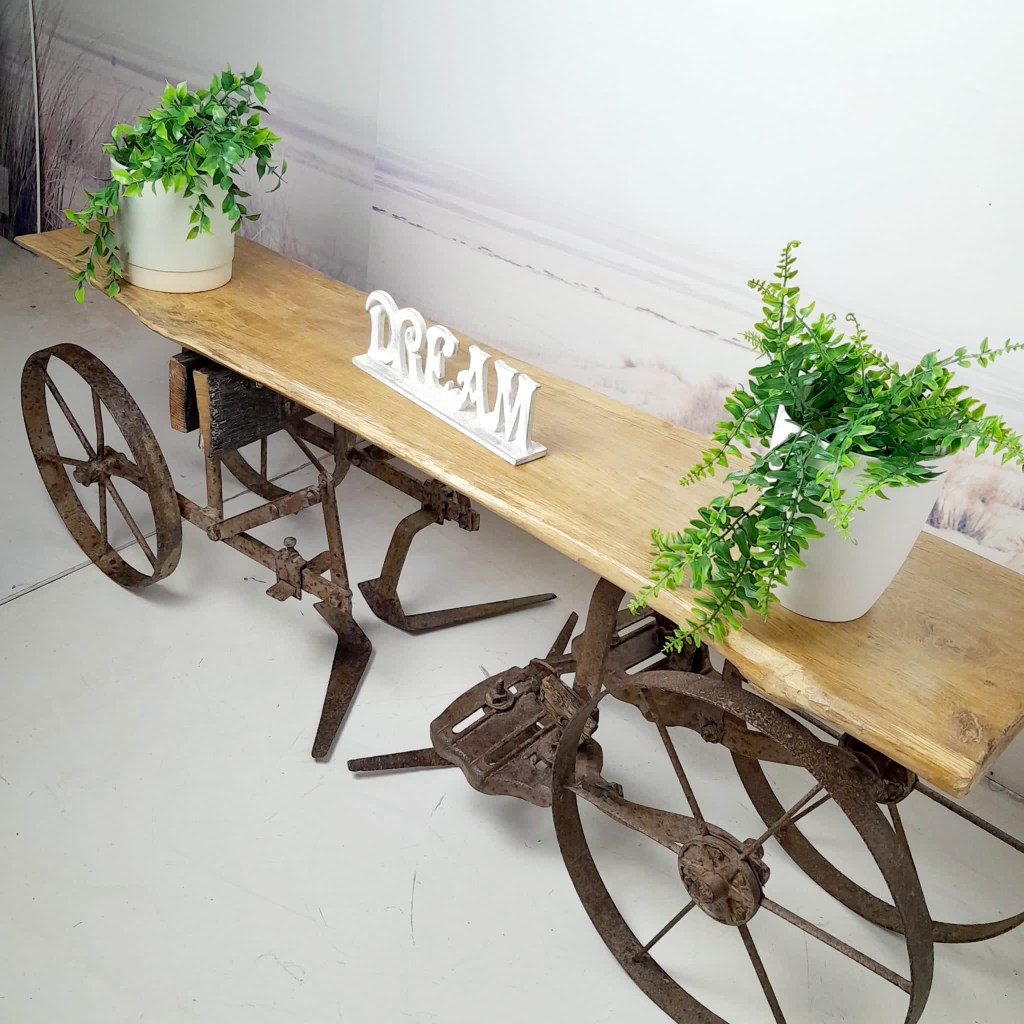
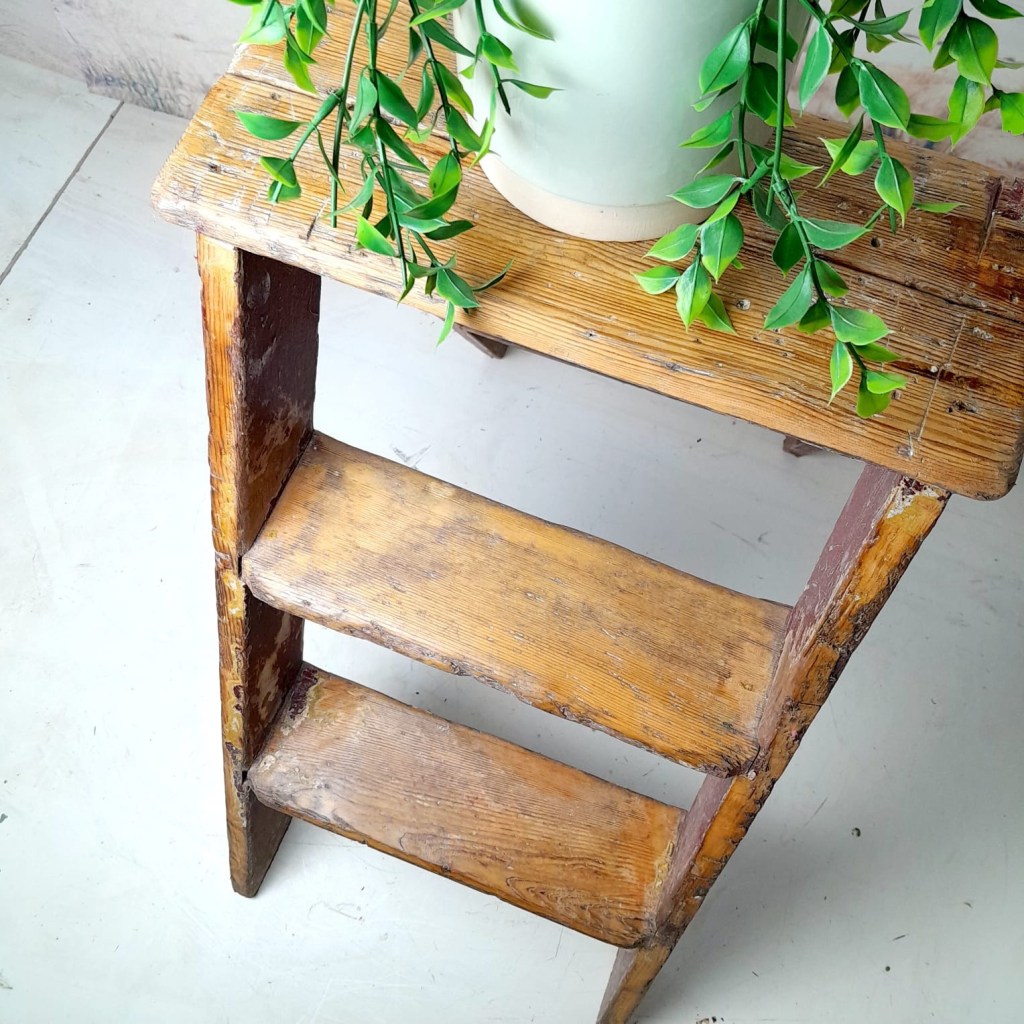
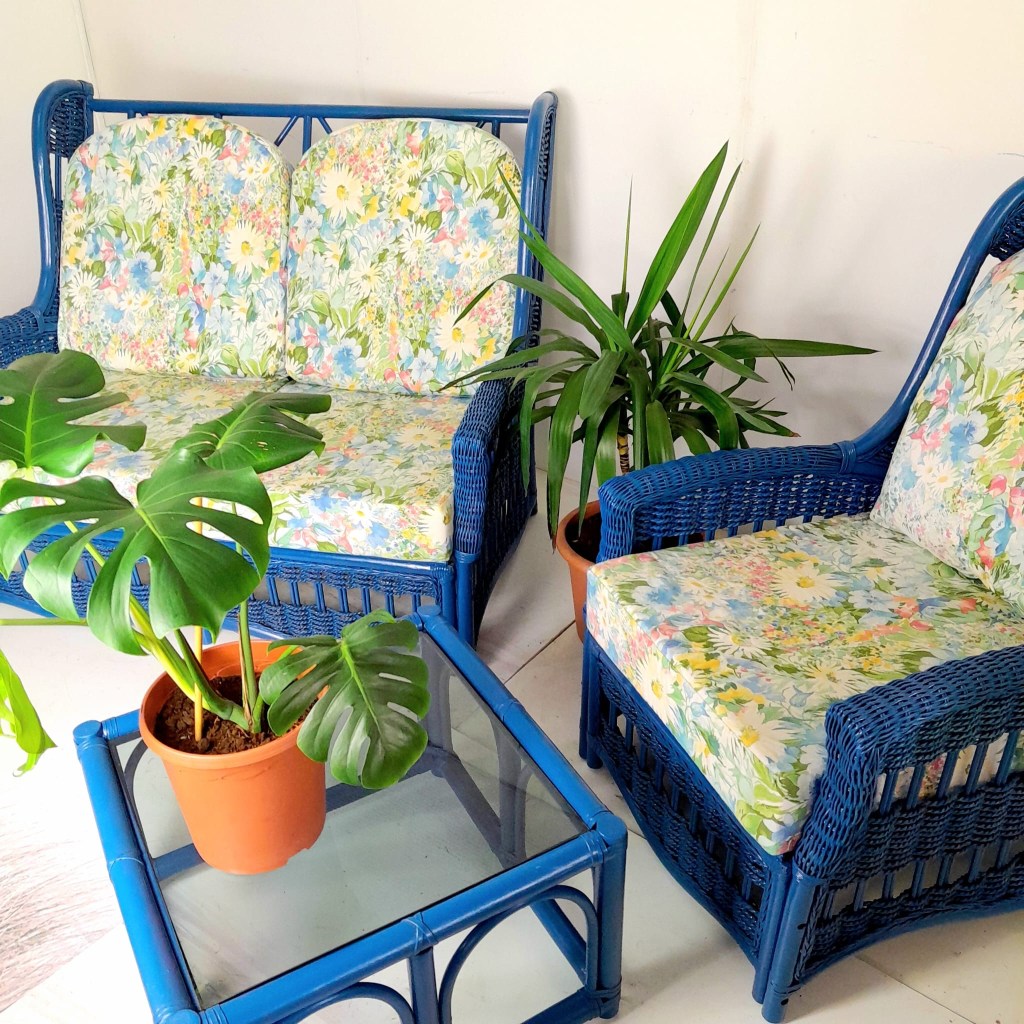
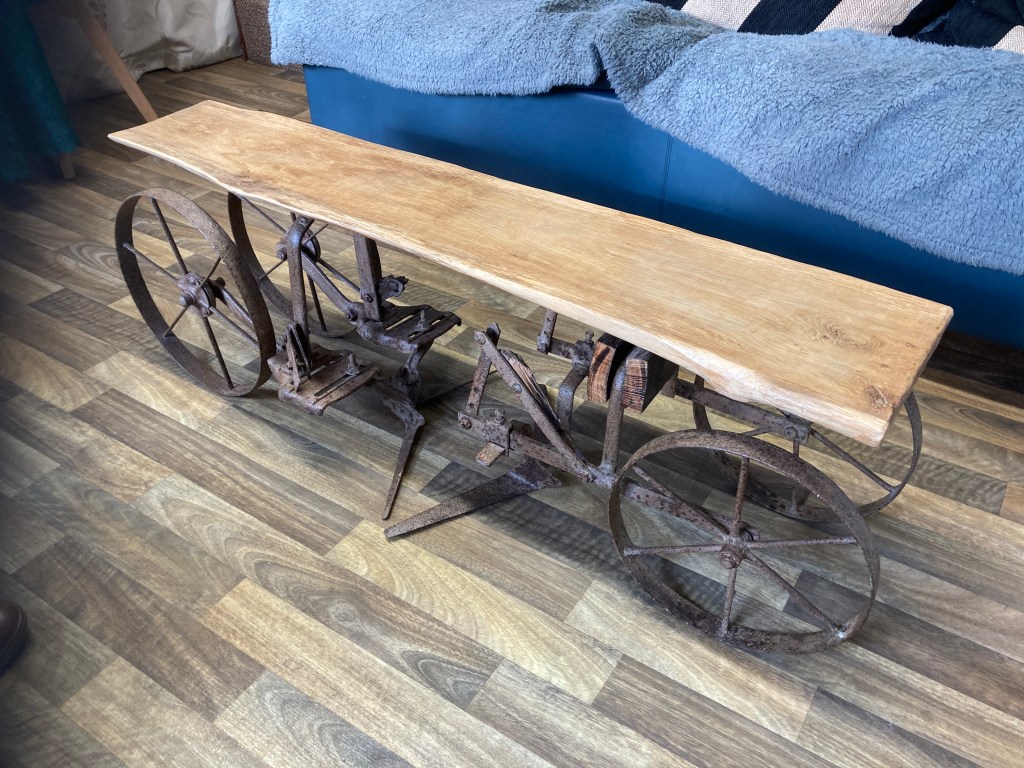
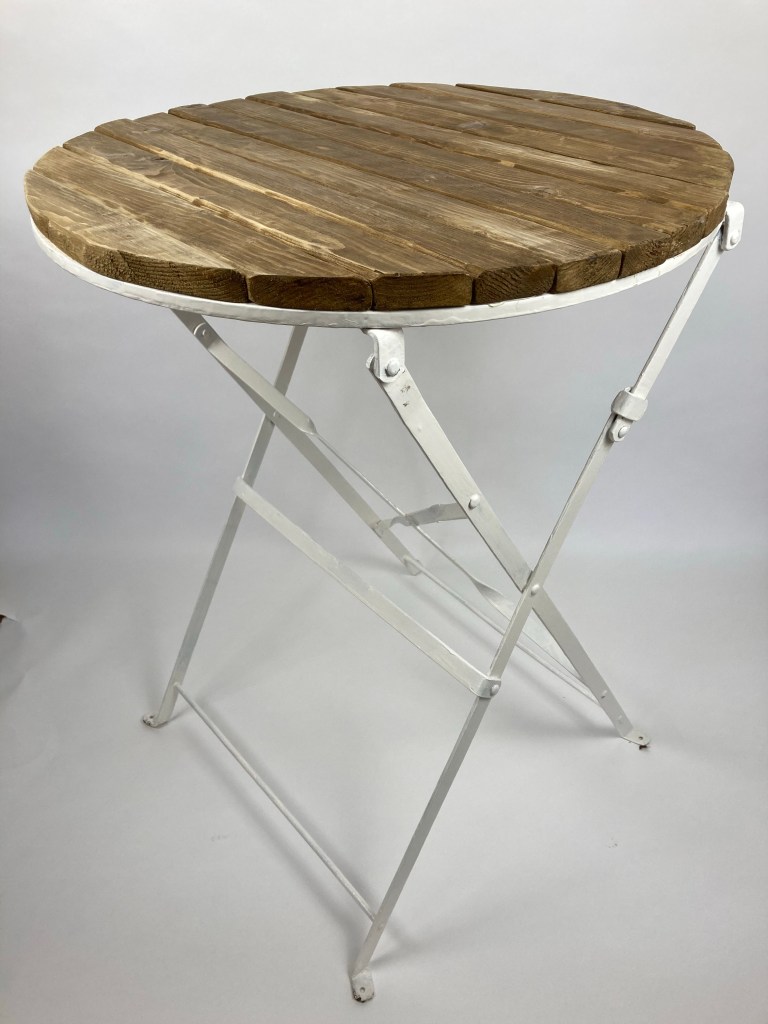
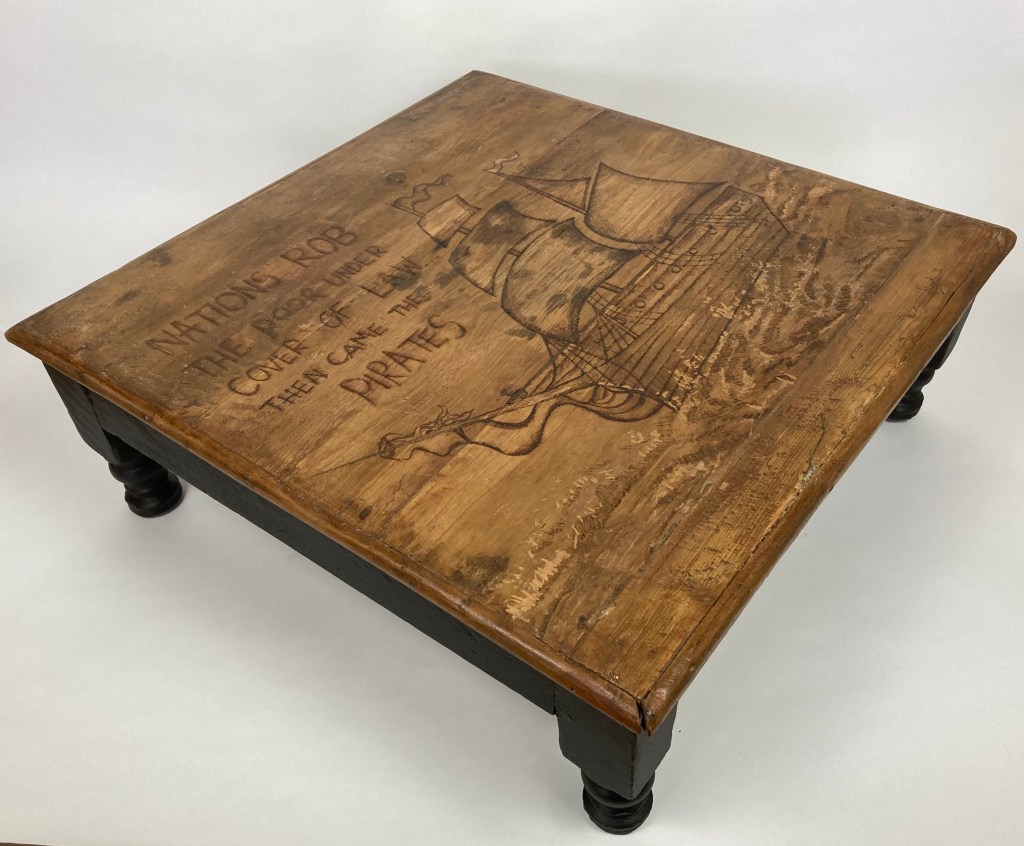
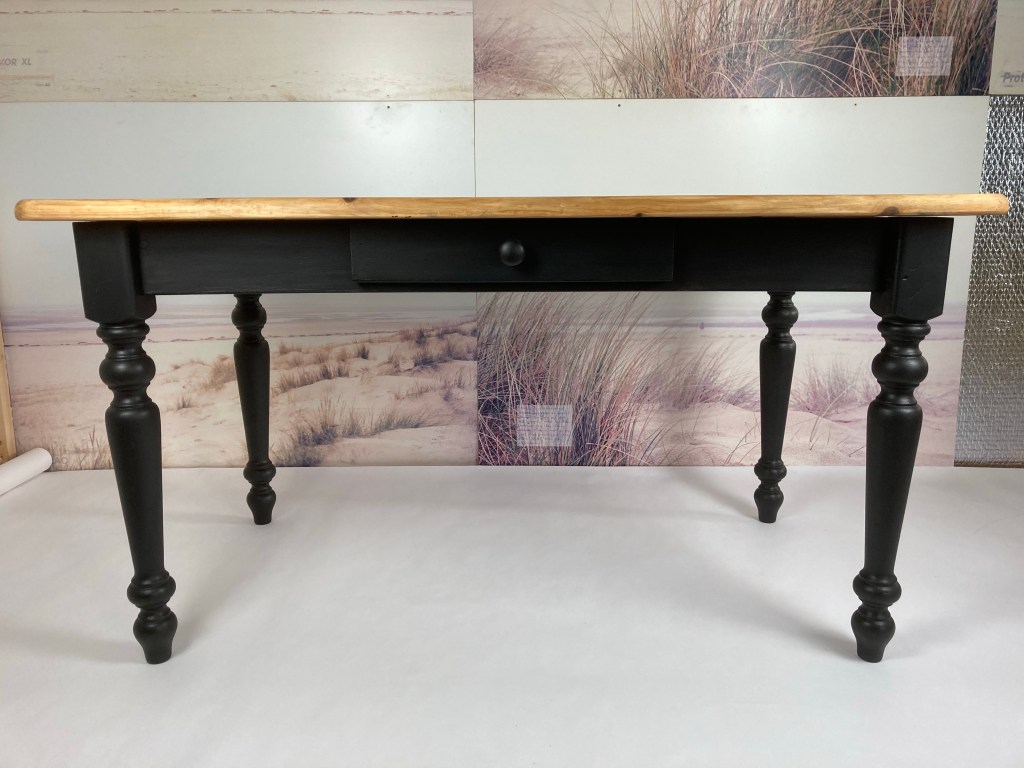
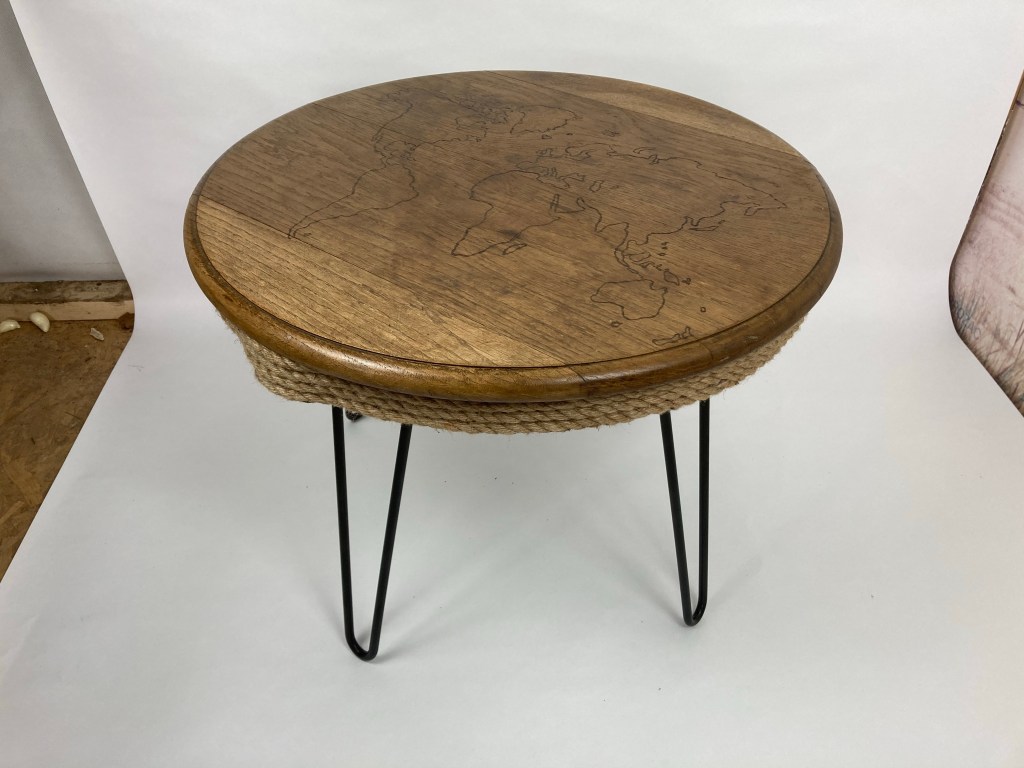
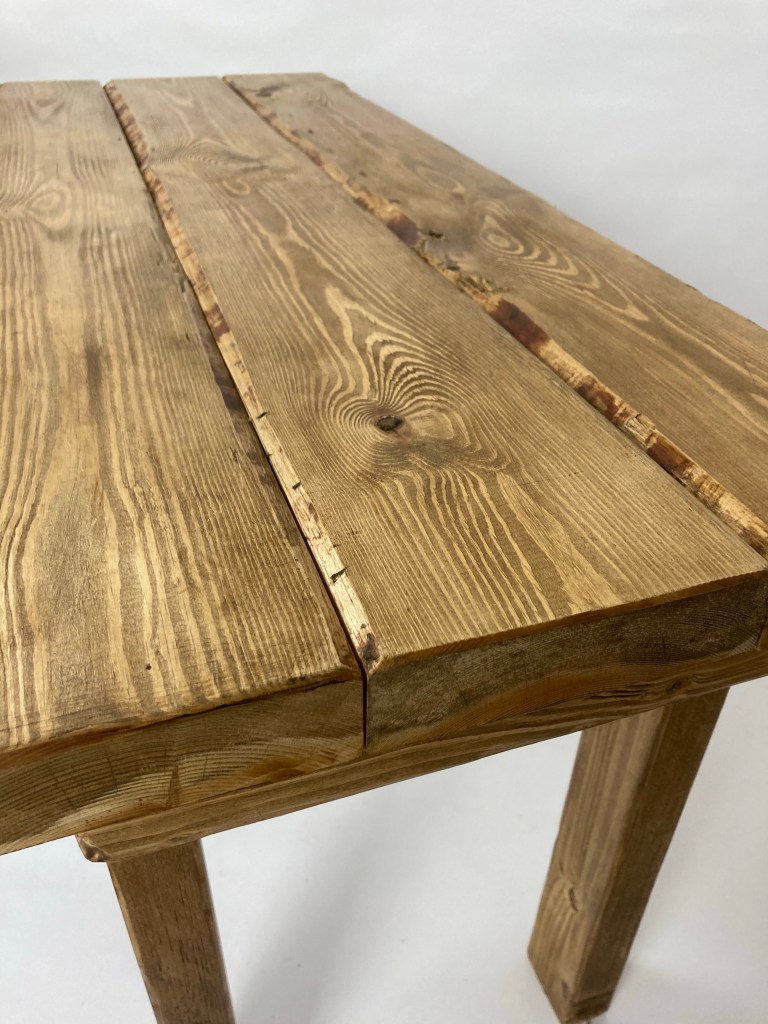
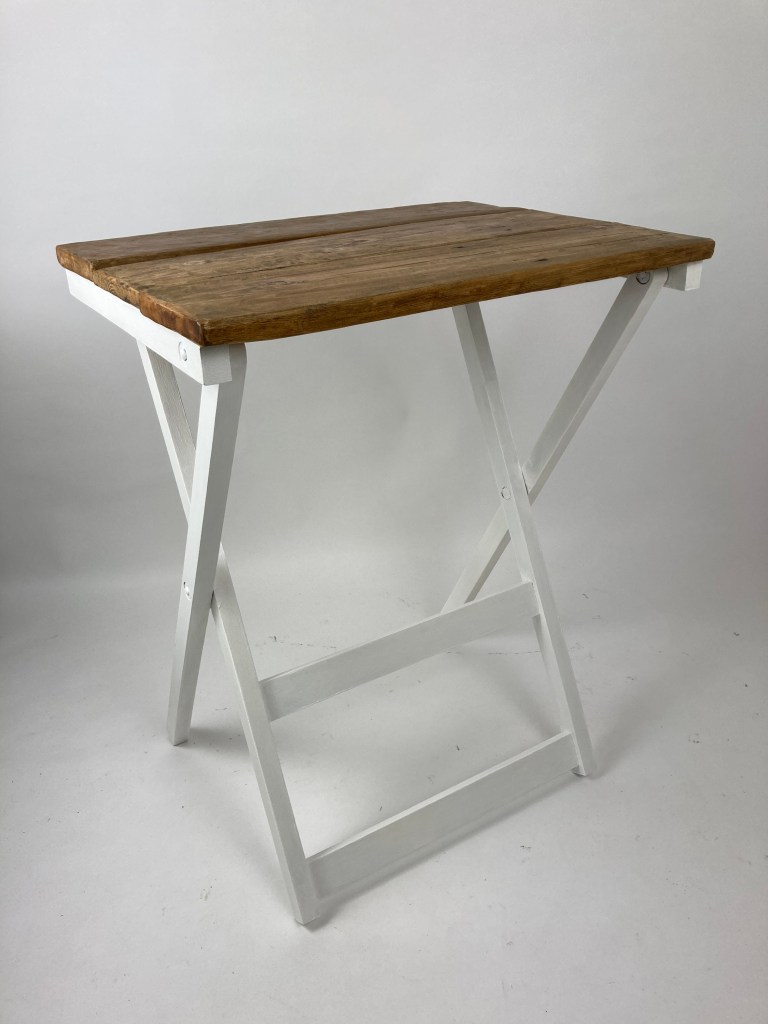
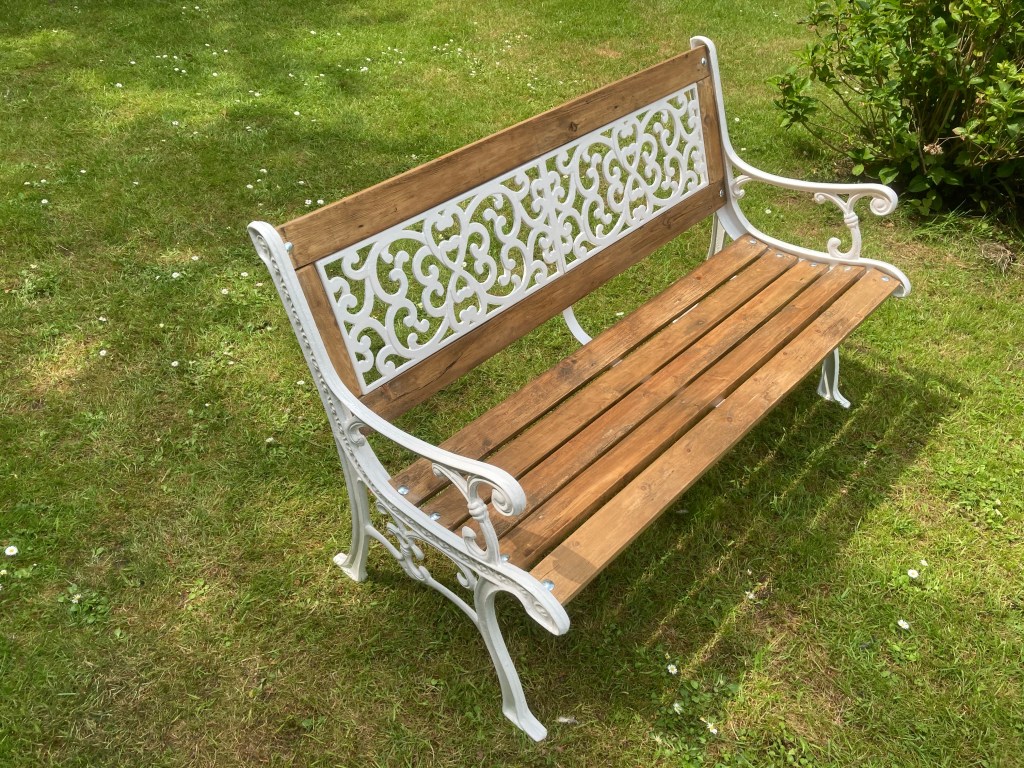
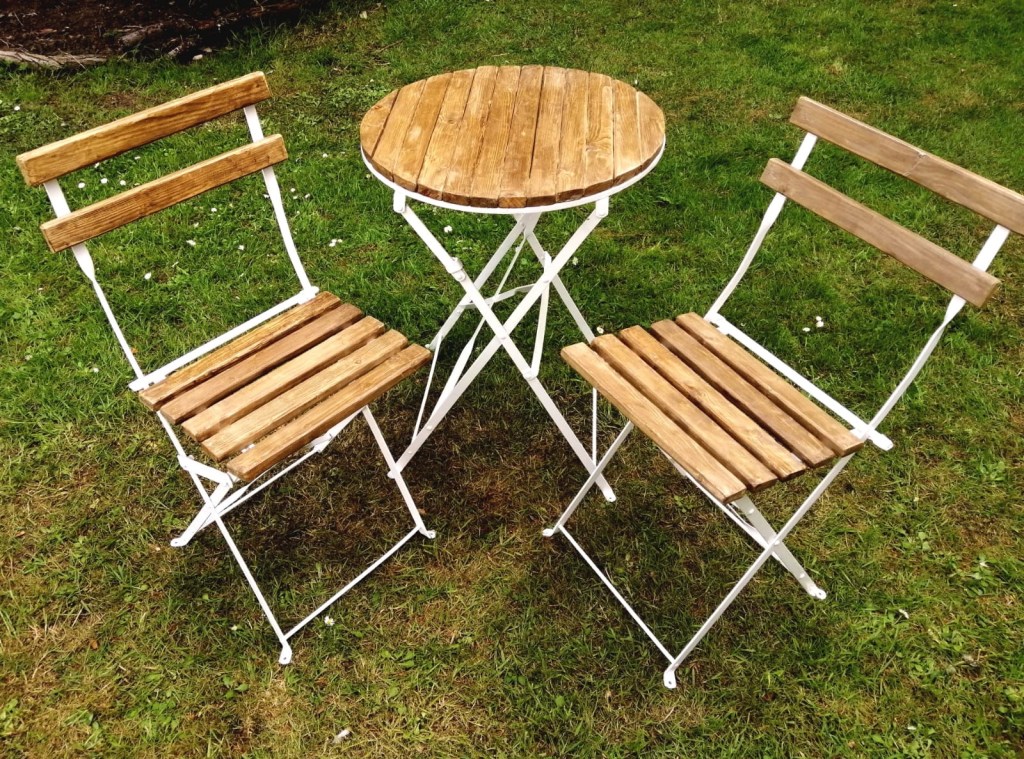
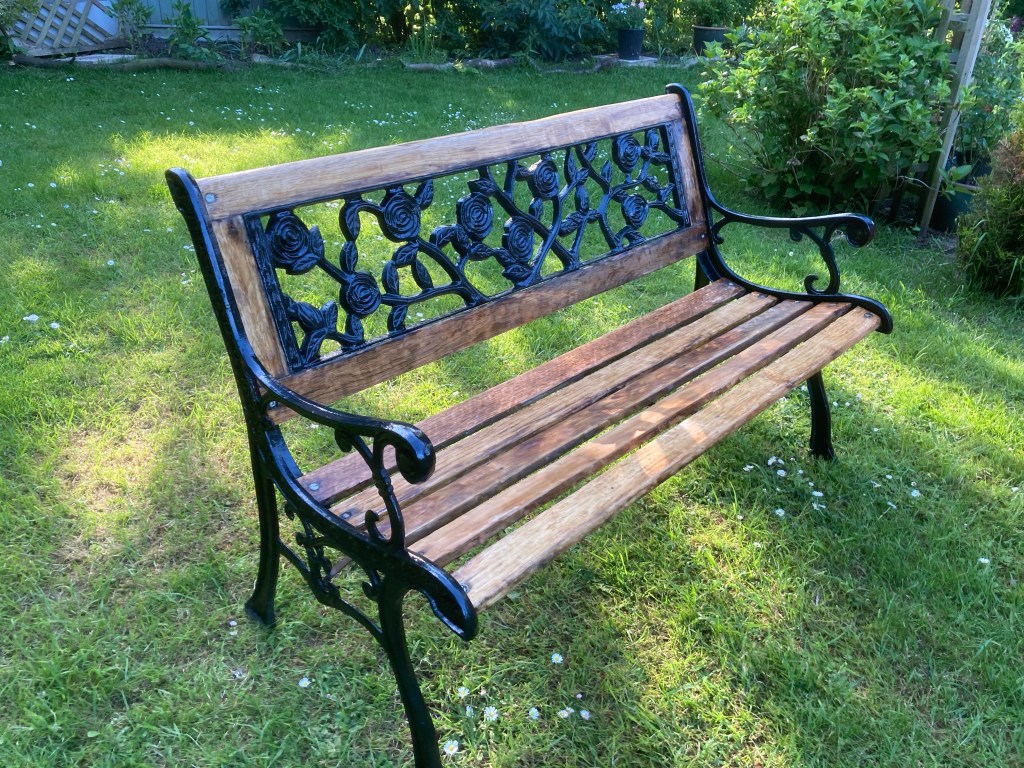
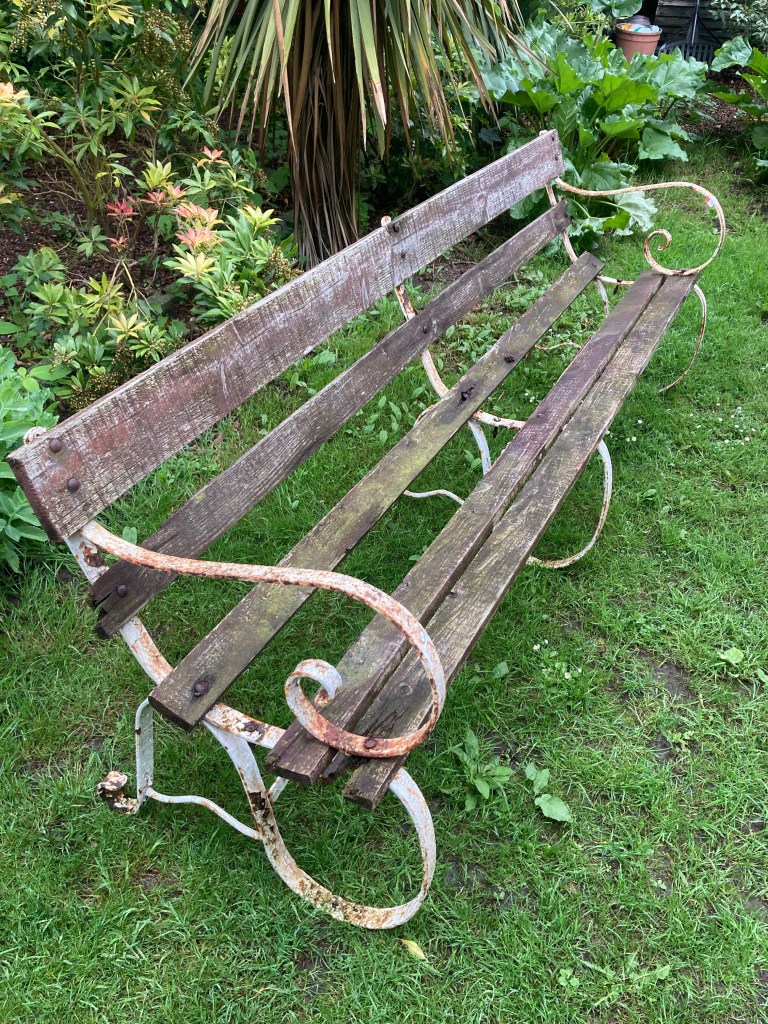
Creating, recycling, and restoring items are essential practices for building a sustainable future. These approaches contribute to reducing waste, conserving resources, and minimizing the environmental impact of human activities. Here’s a breakdown of each concept and their importance in promoting sustainability:
- Creating: Creating sustainable items involves designing products with a focus on environmental impact, durability, and resource efficiency. The concept of “green design” encompasses using renewable materials, minimizing energy consumption during manufacturing, and considering the entire lifecycle of a product. Sustainable creations often result in goods that are more durable, repairable, and have a reduced ecological footprint.
- Recycling: Recycling plays a crucial role in waste management and resource conservation. By recycling materials like paper, plastic, glass, and metals, we can divert waste from landfills and reduce the need for raw materials extraction. Recycling conserves energy, reduces greenhouse gas emissions, and helps protect natural habitats and ecosystems from the destructive impacts of mining and other extraction processes.
- Restoring: Restoration involves revitalizing or repairing damaged or degraded items, habitats, or ecosystems. For instance, restoring old furniture, electronics, or clothing can extend their lifespan and prevent them from becoming waste. On a larger scale, restoring degraded ecosystems like forests, wetlands, or coastal areas can enhance biodiversity, sequester carbon, and provide numerous ecological benefits.
The benefits of these practices for a sustainable future are multifaceted:
1. Resource Conservation: Creating items with a focus on sustainability reduces resource consumption and ensures that resources are used more efficiently. This helps preserve natural resources for future generations.
2. Waste Reduction: Recycling items helps divert waste from landfills, which reduces the environmental impact of waste disposal and decreases the need for new raw materials.
3. Energy Efficiency: Sustainable creations often require less energy during production and use, contributing to lower greenhouse gas emissions and energy consumption.
4. Biodiversity and Ecosystem Health:Restoring ecosystems and using sustainable practices can protect biodiversity and enhance ecosystem health, contributing to the overall resilience of our planet.
5. Circular Economy: Embracing these practices supports the transition towards a circular economy, where materials and products are reused, repaired, or remanufactured, rather than discarded after use.
6. Economic Benefits: Sustainable practices can also lead to cost savings in the long run. For example, recycling reduces the need for expensive waste management and disposal, while creating durable products can result in fewer replacements and repairs.
In conclusion, adopting a mindset of creating, recycling, and restoring items is crucial for achieving a sustainable future. By considering the environmental impact of our actions and making conscious choices in the way we produce, consume, and dispose of goods, we can contribute to a healthier planet for current and future generations.
 Norfolk Arts